| Record Information |
|---|
| Version | 5.0 |
|---|
| Status | Detected and Quantified |
|---|
| Creation Date | 2006-05-22 15:12:38 UTC |
|---|
| Update Date | 2022-03-07 02:49:18 UTC |
|---|
| HMDB ID | HMDB0003175 |
|---|
| Secondary Accession Numbers | |
|---|
| Metabolite Identification |
|---|
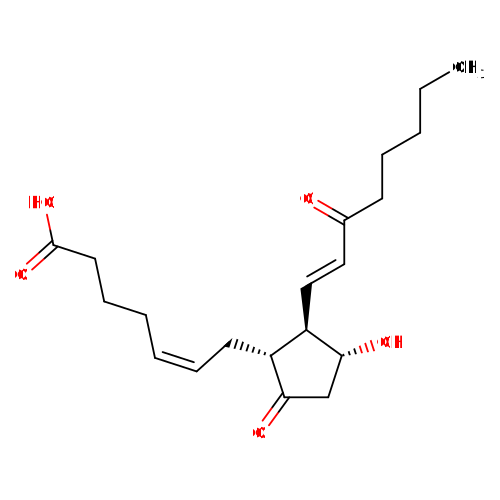
| Common Name | 15-Keto-prostaglandin E2 |
|---|
| Description | 15-keto-PGE2 is one of the prostaglandin E2 metabolites. (PMID 7190512 ). It is a degradation product produced by 15-hydroxy prostaglandin dehydrogenase (PGDH or 15-PGDH). Dinoprostone is a naturally occurring prostaglandin E2 (PGE2) and the most common and most biologically active of the mammalian prostaglandins. It has important effects in labour and also stimulates osteoblasts to release factors which stimulate bone resorption by osteoclasts (a type of bone cell that removes bone tissue by removing the bone's mineralized matrix). PGE2 has been shown to increase vasodilation and cAMP production, to enhance the effects of bradykinin and histamine, to induce uterine contractions and to activate platelet aggregation. PGE2 is also responsible for maintaining the open passageway of the fetal ductus arteriosus; decreasing T-cell proliferation and lymphocyte migration and activating the secretion of IL-1alpha and IL-2. PGE2 exhibits both pro- and anti-inflammatory effects, particularly on dendritic cells (DC). Depending on the nature of maturation signals, PGE2 has different and sometimes opposite effects on DC biology. PGE2 exerts an inhibitory action, reducing the maturation of DC and their ability to present antigen. PGE2 has also been shown to stimulate DC and promote IL-12 production when given in combination with TNF-alpha. PGE2 is an environmentally bioactive substance. Its action is prolonged and sustained by other factors especially IL-10. It modulates the activities of professional DC by acting on their differentiation, maturation and their ability to secrete cytokines. PGE2 is a potent inducer of IL-10 in bone marrow-derived DC (BM-DC), and PGE2-induced IL-10 is a key regulator of the BM-DC pro-inflammatory phenotype. (PMID: 16978535 ). Prostaglandins are eicosanoids. The eicosanoids consist of the prostaglandins (PGs), thromboxanes (TXs), leukotrienes (LTs), and lipoxins (LXs). The PGs and TXs are collectively identified as prostanoids. Prostaglandins were originally shown to be synthesized in the prostate gland, thromboxanes from platelets (thrombocytes), and leukotrienes from leukocytes, hence the derivation of their names. All mammalian cells except erythrocytes synthesize eicosanoids. These molecules are extremely potent, able to cause profound physiological effects at very dilute concentrations. All eicosanoids function locally at the site of synthesis, through receptor-mediated G-protein linked signalling pathways. |
|---|
| Structure | CCCCCC(=O)\C=C\[C@H]1[C@H](O)CC(=O)[C@@H]1C\C=C/CCCC(O)=O InChI=1S/C20H30O5/c1-2-3-6-9-15(21)12-13-17-16(18(22)14-19(17)23)10-7-4-5-8-11-20(24)25/h4,7,12-13,16-17,19,23H,2-3,5-6,8-11,14H2,1H3,(H,24,25)/b7-4-,13-12+/t16-,17-,19-/m1/s1 |
|---|
| Synonyms | | Value | Source |
|---|
| (5Z)-(15S)-11alpha-Hydroxy-9,15-dioxoprosta-13-enoate | ChEBI | | (5Z,13E)-11alpha-Hydroxy-9,15-dioxoprost-13-enoate | ChEBI | | 15-Deoxy-15-oxo-prostaglandin e2 | ChEBI | | 15-Keto-pge2 | ChEBI | | 15-Ketoprostaglandin e2 | ChEBI | | 15-oxo-PGE2 | ChEBI | | (5Z)-(15S)-11a-Hydroxy-9,15-dioxoprosta-13-enoate | Generator | | (5Z)-(15S)-11a-Hydroxy-9,15-dioxoprosta-13-enoic acid | Generator | | (5Z)-(15S)-11alpha-Hydroxy-9,15-dioxoprosta-13-enoic acid | Generator | | (5Z)-(15S)-11Α-hydroxy-9,15-dioxoprosta-13-enoate | Generator | | (5Z)-(15S)-11Α-hydroxy-9,15-dioxoprosta-13-enoic acid | Generator | | (5Z,13E)-11a-Hydroxy-9,15-dioxoprost-13-enoate | Generator | | (5Z,13E)-11a-Hydroxy-9,15-dioxoprost-13-enoic acid | Generator | | (5Z,13E)-11alpha-Hydroxy-9,15-dioxoprost-13-enoic acid | Generator | | (5Z,13E)-11Α-hydroxy-9,15-dioxoprost-13-enoate | Generator | | (5Z,13E)-11Α-hydroxy-9,15-dioxoprost-13-enoic acid | Generator | | (5Z)-(13E)-11-alpha-Hydroxy-9,15-dioxoprosta-5,13-dienoate | HMDB | | (5Z)-(13E)-11-alpha-Hydroxy-9,15-dioxoprosta-5,13-dienoic acid | HMDB | | (5Z,13E)-11-alpha-Hydroxy-9,15-dioxoprost-5,13-dienoate | HMDB | | (5Z,13E)-11-alpha-Hydroxy-9,15-dioxoprost-5,13-dienoic acid | HMDB | | 15-Keto-pge2-alpha | HMDB | | 15-oxo-PGE2-alpha | HMDB | | 9,15-Dioxo-11-hydroxyprosta-5,13-dienoic acid | HMDB | | 15-Ketoprostaglandin e2, (11alpha)-isomer | HMDB | | 15-Keto-prostaglandin e2 | ChEBI |
|
|---|
| Chemical Formula | C20H30O5 |
|---|
| Average Molecular Weight | 350.4492 |
|---|
| Monoisotopic Molecular Weight | 350.20932407 |
|---|
| IUPAC Name | (5Z)-7-[(1R,2R,3R)-3-hydroxy-5-oxo-2-[(1E)-3-oxooct-1-en-1-yl]cyclopentyl]hept-5-enoic acid |
|---|
| Traditional Name | 15-Keto-PGE2 |
|---|
| CAS Registry Number | 26441-05-4 |
|---|
| SMILES | CCCCCC(=O)\C=C\[C@H]1[C@H](O)CC(=O)[C@@H]1C\C=C/CCCC(O)=O |
|---|
| InChI Identifier | InChI=1S/C20H30O5/c1-2-3-6-9-15(21)12-13-17-16(18(22)14-19(17)23)10-7-4-5-8-11-20(24)25/h4,7,12-13,16-17,19,23H,2-3,5-6,8-11,14H2,1H3,(H,24,25)/b7-4-,13-12+/t16-,17-,19-/m1/s1 |
|---|
| InChI Key | YRTJDWROBKPZNV-KMXMBPPJSA-N |
|---|
| Chemical Taxonomy |
|---|
| Description | Belongs to the class of organic compounds known as prostaglandins and related compounds. These are unsaturated carboxylic acids consisting of a 20 carbon skeleton that also contains a five member ring, and are based upon the fatty acid arachidonic acid. |
|---|
| Kingdom | Organic compounds |
|---|
| Super Class | Lipids and lipid-like molecules |
|---|
| Class | Fatty Acyls |
|---|
| Sub Class | Eicosanoids |
|---|
| Direct Parent | Prostaglandins and related compounds |
|---|
| Alternative Parents | |
|---|
| Substituents | - Prostaglandin skeleton
- Long-chain fatty acid
- Hydroxy fatty acid
- Cyclopentanol
- Unsaturated fatty acid
- Fatty acid
- Alpha,beta-unsaturated ketone
- Cyclic alcohol
- Acryloyl-group
- Enone
- Secondary alcohol
- Cyclic ketone
- Ketone
- Carboxylic acid derivative
- Carboxylic acid
- Monocarboxylic acid or derivatives
- Organooxygen compound
- Alcohol
- Carbonyl group
- Hydrocarbon derivative
- Organic oxide
- Organic oxygen compound
- Aliphatic homomonocyclic compound
|
|---|
| Molecular Framework | Aliphatic homomonocyclic compounds |
|---|
| External Descriptors | |
|---|
| Ontology |
|---|
| Physiological effect | Not Available |
|---|
| Disposition | |
|---|
| Process | Not Available |
|---|
| Role | Not Available |
|---|
| Physical Properties |
|---|
| State | Solid |
|---|
| Experimental Molecular Properties | | Property | Value | Reference |
|---|
| Melting Point | Not Available | Not Available | | Boiling Point | Not Available | Not Available | | Water Solubility | Not Available | Not Available | | LogP | Not Available | Not Available |
|
|---|
| Experimental Chromatographic Properties | Not Available |
|---|
| Predicted Molecular Properties | |
|---|
| Predicted Chromatographic Properties | Predicted Collision Cross SectionsPredicted Kovats Retention IndicesUnderivatizedDerivatized| Derivative Name / Structure | SMILES | Kovats RI Value | Column Type | Reference |
|---|
| 15-Keto-prostaglandin E2,1TMS,isomer #1 | CCCCCC(=O)/C=C/[C@H]1[C@H](O[Si](C)(C)C)CC(=O)[C@@H]1C/C=C\CCCC(=O)O | 2730.3 | Semi standard non polar | 33892256 | | 15-Keto-prostaglandin E2,1TMS,isomer #2 | CCCCCC(=O)/C=C/[C@H]1[C@H](O)CC(=O)[C@@H]1C/C=C\CCCC(=O)O[Si](C)(C)C | 2794.8 | Semi standard non polar | 33892256 | | 15-Keto-prostaglandin E2,1TMS,isomer #3 | CCCCCC(=O)/C=C/[C@@H]1C(C/C=C\CCCC(=O)O)=C(O[Si](C)(C)C)C[C@H]1O | 2820.3 | Semi standard non polar | 33892256 | | 15-Keto-prostaglandin E2,1TMS,isomer #4 | CCCCC=C(/C=C/[C@H]1[C@H](O)CC(=O)[C@@H]1C/C=C\CCCC(=O)O)O[Si](C)(C)C | 3091.5 | Semi standard non polar | 33892256 | | 15-Keto-prostaglandin E2,1TMS,isomer #5 | CCCCCC(=O)/C=C/[C@H]1[C@H](O)C=C(O[Si](C)(C)C)[C@@H]1C/C=C\CCCC(=O)O | 2721.8 | Semi standard non polar | 33892256 | | 15-Keto-prostaglandin E2,2TMS,isomer #1 | CCCCCC(=O)/C=C/[C@H]1[C@H](O[Si](C)(C)C)CC(=O)[C@@H]1C/C=C\CCCC(=O)O[Si](C)(C)C | 2683.8 | Semi standard non polar | 33892256 | | 15-Keto-prostaglandin E2,2TMS,isomer #2 | CCCCCC(=O)/C=C/[C@@H]1C(C/C=C\CCCC(=O)O)=C(O[Si](C)(C)C)C[C@H]1O[Si](C)(C)C | 2800.6 | Semi standard non polar | 33892256 | | 15-Keto-prostaglandin E2,2TMS,isomer #3 | CCCCC=C(/C=C/[C@H]1[C@H](O[Si](C)(C)C)CC(=O)[C@@H]1C/C=C\CCCC(=O)O)O[Si](C)(C)C | 2989.6 | Semi standard non polar | 33892256 | | 15-Keto-prostaglandin E2,2TMS,isomer #4 | CCCCCC(=O)/C=C/[C@H]1[C@H](O[Si](C)(C)C)C=C(O[Si](C)(C)C)[C@@H]1C/C=C\CCCC(=O)O | 2740.6 | Semi standard non polar | 33892256 | | 15-Keto-prostaglandin E2,2TMS,isomer #5 | CCCCCC(=O)/C=C/[C@@H]1C(C/C=C\CCCC(=O)O[Si](C)(C)C)=C(O[Si](C)(C)C)C[C@H]1O | 2812.0 | Semi standard non polar | 33892256 | | 15-Keto-prostaglandin E2,2TMS,isomer #6 | CCCCC=C(/C=C/[C@H]1[C@H](O)CC(=O)[C@@H]1C/C=C\CCCC(=O)O[Si](C)(C)C)O[Si](C)(C)C | 3009.5 | Semi standard non polar | 33892256 | | 15-Keto-prostaglandin E2,2TMS,isomer #7 | CCCCCC(=O)/C=C/[C@H]1[C@H](O)C=C(O[Si](C)(C)C)[C@@H]1C/C=C\CCCC(=O)O[Si](C)(C)C | 2713.8 | Semi standard non polar | 33892256 | | 15-Keto-prostaglandin E2,2TMS,isomer #8 | CCCCC=C(/C=C/[C@@H]1C(C/C=C\CCCC(=O)O)=C(O[Si](C)(C)C)C[C@H]1O)O[Si](C)(C)C | 3067.5 | Semi standard non polar | 33892256 | | 15-Keto-prostaglandin E2,2TMS,isomer #9 | CCCCC=C(/C=C/[C@H]1[C@H](O)C=C(O[Si](C)(C)C)[C@@H]1C/C=C\CCCC(=O)O)O[Si](C)(C)C | 2990.4 | Semi standard non polar | 33892256 | | 15-Keto-prostaglandin E2,3TMS,isomer #1 | CCCCCC(=O)/C=C/[C@@H]1C(C/C=C\CCCC(=O)O[Si](C)(C)C)=C(O[Si](C)(C)C)C[C@H]1O[Si](C)(C)C | 2777.7 | Semi standard non polar | 33892256 | | 15-Keto-prostaglandin E2,3TMS,isomer #1 | CCCCCC(=O)/C=C/[C@@H]1C(C/C=C\CCCC(=O)O[Si](C)(C)C)=C(O[Si](C)(C)C)C[C@H]1O[Si](C)(C)C | 2847.5 | Standard non polar | 33892256 | | 15-Keto-prostaglandin E2,3TMS,isomer #1 | CCCCCC(=O)/C=C/[C@@H]1C(C/C=C\CCCC(=O)O[Si](C)(C)C)=C(O[Si](C)(C)C)C[C@H]1O[Si](C)(C)C | 2939.5 | Standard polar | 33892256 | | 15-Keto-prostaglandin E2,3TMS,isomer #2 | CCCCC=C(/C=C/[C@H]1[C@H](O[Si](C)(C)C)CC(=O)[C@@H]1C/C=C\CCCC(=O)O[Si](C)(C)C)O[Si](C)(C)C | 2955.9 | Semi standard non polar | 33892256 | | 15-Keto-prostaglandin E2,3TMS,isomer #2 | CCCCC=C(/C=C/[C@H]1[C@H](O[Si](C)(C)C)CC(=O)[C@@H]1C/C=C\CCCC(=O)O[Si](C)(C)C)O[Si](C)(C)C | 2852.7 | Standard non polar | 33892256 | | 15-Keto-prostaglandin E2,3TMS,isomer #2 | CCCCC=C(/C=C/[C@H]1[C@H](O[Si](C)(C)C)CC(=O)[C@@H]1C/C=C\CCCC(=O)O[Si](C)(C)C)O[Si](C)(C)C | 3055.3 | Standard polar | 33892256 | | 15-Keto-prostaglandin E2,3TMS,isomer #3 | CCCCCC(=O)/C=C/[C@H]1[C@H](O[Si](C)(C)C)C=C(O[Si](C)(C)C)[C@@H]1C/C=C\CCCC(=O)O[Si](C)(C)C | 2735.2 | Semi standard non polar | 33892256 | | 15-Keto-prostaglandin E2,3TMS,isomer #3 | CCCCCC(=O)/C=C/[C@H]1[C@H](O[Si](C)(C)C)C=C(O[Si](C)(C)C)[C@@H]1C/C=C\CCCC(=O)O[Si](C)(C)C | 2770.1 | Standard non polar | 33892256 | | 15-Keto-prostaglandin E2,3TMS,isomer #3 | CCCCCC(=O)/C=C/[C@H]1[C@H](O[Si](C)(C)C)C=C(O[Si](C)(C)C)[C@@H]1C/C=C\CCCC(=O)O[Si](C)(C)C | 3008.5 | Standard polar | 33892256 | | 15-Keto-prostaglandin E2,3TMS,isomer #4 | CCCCC=C(/C=C/[C@@H]1C(C/C=C\CCCC(=O)O)=C(O[Si](C)(C)C)C[C@H]1O[Si](C)(C)C)O[Si](C)(C)C | 3037.5 | Semi standard non polar | 33892256 | | 15-Keto-prostaglandin E2,3TMS,isomer #4 | CCCCC=C(/C=C/[C@@H]1C(C/C=C\CCCC(=O)O)=C(O[Si](C)(C)C)C[C@H]1O[Si](C)(C)C)O[Si](C)(C)C | 2841.7 | Standard non polar | 33892256 | | 15-Keto-prostaglandin E2,3TMS,isomer #4 | CCCCC=C(/C=C/[C@@H]1C(C/C=C\CCCC(=O)O)=C(O[Si](C)(C)C)C[C@H]1O[Si](C)(C)C)O[Si](C)(C)C | 3317.8 | Standard polar | 33892256 | | 15-Keto-prostaglandin E2,3TMS,isomer #5 | CCCCC=C(/C=C/[C@H]1[C@H](O[Si](C)(C)C)C=C(O[Si](C)(C)C)[C@@H]1C/C=C\CCCC(=O)O)O[Si](C)(C)C | 2996.5 | Semi standard non polar | 33892256 | | 15-Keto-prostaglandin E2,3TMS,isomer #5 | CCCCC=C(/C=C/[C@H]1[C@H](O[Si](C)(C)C)C=C(O[Si](C)(C)C)[C@@H]1C/C=C\CCCC(=O)O)O[Si](C)(C)C | 2752.3 | Standard non polar | 33892256 | | 15-Keto-prostaglandin E2,3TMS,isomer #5 | CCCCC=C(/C=C/[C@H]1[C@H](O[Si](C)(C)C)C=C(O[Si](C)(C)C)[C@@H]1C/C=C\CCCC(=O)O)O[Si](C)(C)C | 3333.5 | Standard polar | 33892256 | | 15-Keto-prostaglandin E2,3TMS,isomer #6 | CCCCC=C(/C=C/[C@@H]1C(C/C=C\CCCC(=O)O[Si](C)(C)C)=C(O[Si](C)(C)C)C[C@H]1O)O[Si](C)(C)C | 3030.0 | Semi standard non polar | 33892256 | | 15-Keto-prostaglandin E2,3TMS,isomer #6 | CCCCC=C(/C=C/[C@@H]1C(C/C=C\CCCC(=O)O[Si](C)(C)C)=C(O[Si](C)(C)C)C[C@H]1O)O[Si](C)(C)C | 2880.7 | Standard non polar | 33892256 | | 15-Keto-prostaglandin E2,3TMS,isomer #6 | CCCCC=C(/C=C/[C@@H]1C(C/C=C\CCCC(=O)O[Si](C)(C)C)=C(O[Si](C)(C)C)C[C@H]1O)O[Si](C)(C)C | 3382.0 | Standard polar | 33892256 | | 15-Keto-prostaglandin E2,3TMS,isomer #7 | CCCCC=C(/C=C/[C@H]1[C@H](O)C=C(O[Si](C)(C)C)[C@@H]1C/C=C\CCCC(=O)O[Si](C)(C)C)O[Si](C)(C)C | 2963.1 | Semi standard non polar | 33892256 | | 15-Keto-prostaglandin E2,3TMS,isomer #7 | CCCCC=C(/C=C/[C@H]1[C@H](O)C=C(O[Si](C)(C)C)[C@@H]1C/C=C\CCCC(=O)O[Si](C)(C)C)O[Si](C)(C)C | 2800.0 | Standard non polar | 33892256 | | 15-Keto-prostaglandin E2,3TMS,isomer #7 | CCCCC=C(/C=C/[C@H]1[C@H](O)C=C(O[Si](C)(C)C)[C@@H]1C/C=C\CCCC(=O)O[Si](C)(C)C)O[Si](C)(C)C | 3459.0 | Standard polar | 33892256 | | 15-Keto-prostaglandin E2,4TMS,isomer #1 | CCCCC=C(/C=C/[C@@H]1C(C/C=C\CCCC(=O)O[Si](C)(C)C)=C(O[Si](C)(C)C)C[C@H]1O[Si](C)(C)C)O[Si](C)(C)C | 3004.6 | Semi standard non polar | 33892256 | | 15-Keto-prostaglandin E2,4TMS,isomer #1 | CCCCC=C(/C=C/[C@@H]1C(C/C=C\CCCC(=O)O[Si](C)(C)C)=C(O[Si](C)(C)C)C[C@H]1O[Si](C)(C)C)O[Si](C)(C)C | 2904.3 | Standard non polar | 33892256 | | 15-Keto-prostaglandin E2,4TMS,isomer #1 | CCCCC=C(/C=C/[C@@H]1C(C/C=C\CCCC(=O)O[Si](C)(C)C)=C(O[Si](C)(C)C)C[C@H]1O[Si](C)(C)C)O[Si](C)(C)C | 3000.5 | Standard polar | 33892256 | | 15-Keto-prostaglandin E2,4TMS,isomer #2 | CCCCC=C(/C=C/[C@H]1[C@H](O[Si](C)(C)C)C=C(O[Si](C)(C)C)[C@@H]1C/C=C\CCCC(=O)O[Si](C)(C)C)O[Si](C)(C)C | 2976.3 | Semi standard non polar | 33892256 | | 15-Keto-prostaglandin E2,4TMS,isomer #2 | CCCCC=C(/C=C/[C@H]1[C@H](O[Si](C)(C)C)C=C(O[Si](C)(C)C)[C@@H]1C/C=C\CCCC(=O)O[Si](C)(C)C)O[Si](C)(C)C | 2772.8 | Standard non polar | 33892256 | | 15-Keto-prostaglandin E2,4TMS,isomer #2 | CCCCC=C(/C=C/[C@H]1[C@H](O[Si](C)(C)C)C=C(O[Si](C)(C)C)[C@@H]1C/C=C\CCCC(=O)O[Si](C)(C)C)O[Si](C)(C)C | 3050.7 | Standard polar | 33892256 | | 15-Keto-prostaglandin E2,1TBDMS,isomer #1 | CCCCCC(=O)/C=C/[C@H]1[C@H](O[Si](C)(C)C(C)(C)C)CC(=O)[C@@H]1C/C=C\CCCC(=O)O | 2955.8 | Semi standard non polar | 33892256 | | 15-Keto-prostaglandin E2,1TBDMS,isomer #2 | CCCCCC(=O)/C=C/[C@H]1[C@H](O)CC(=O)[C@@H]1C/C=C\CCCC(=O)O[Si](C)(C)C(C)(C)C | 3052.7 | Semi standard non polar | 33892256 | | 15-Keto-prostaglandin E2,1TBDMS,isomer #3 | CCCCCC(=O)/C=C/[C@@H]1C(C/C=C\CCCC(=O)O)=C(O[Si](C)(C)C(C)(C)C)C[C@H]1O | 3064.9 | Semi standard non polar | 33892256 | | 15-Keto-prostaglandin E2,1TBDMS,isomer #4 | CCCCC=C(/C=C/[C@H]1[C@H](O)CC(=O)[C@@H]1C/C=C\CCCC(=O)O)O[Si](C)(C)C(C)(C)C | 3333.5 | Semi standard non polar | 33892256 | | 15-Keto-prostaglandin E2,1TBDMS,isomer #5 | CCCCCC(=O)/C=C/[C@H]1[C@H](O)C=C(O[Si](C)(C)C(C)(C)C)[C@@H]1C/C=C\CCCC(=O)O | 2959.8 | Semi standard non polar | 33892256 | | 15-Keto-prostaglandin E2,2TBDMS,isomer #1 | CCCCCC(=O)/C=C/[C@H]1[C@H](O[Si](C)(C)C(C)(C)C)CC(=O)[C@@H]1C/C=C\CCCC(=O)O[Si](C)(C)C(C)(C)C | 3175.9 | Semi standard non polar | 33892256 | | 15-Keto-prostaglandin E2,2TBDMS,isomer #2 | CCCCCC(=O)/C=C/[C@@H]1C(C/C=C\CCCC(=O)O)=C(O[Si](C)(C)C(C)(C)C)C[C@H]1O[Si](C)(C)C(C)(C)C | 3244.3 | Semi standard non polar | 33892256 | | 15-Keto-prostaglandin E2,2TBDMS,isomer #3 | CCCCC=C(/C=C/[C@H]1[C@H](O[Si](C)(C)C(C)(C)C)CC(=O)[C@@H]1C/C=C\CCCC(=O)O)O[Si](C)(C)C(C)(C)C | 3438.3 | Semi standard non polar | 33892256 | | 15-Keto-prostaglandin E2,2TBDMS,isomer #4 | CCCCCC(=O)/C=C/[C@H]1[C@H](O[Si](C)(C)C(C)(C)C)C=C(O[Si](C)(C)C(C)(C)C)[C@@H]1C/C=C\CCCC(=O)O | 3214.6 | Semi standard non polar | 33892256 | | 15-Keto-prostaglandin E2,2TBDMS,isomer #5 | CCCCCC(=O)/C=C/[C@@H]1C(C/C=C\CCCC(=O)O[Si](C)(C)C(C)(C)C)=C(O[Si](C)(C)C(C)(C)C)C[C@H]1O | 3295.7 | Semi standard non polar | 33892256 | | 15-Keto-prostaglandin E2,2TBDMS,isomer #6 | CCCCC=C(/C=C/[C@H]1[C@H](O)CC(=O)[C@@H]1C/C=C\CCCC(=O)O[Si](C)(C)C(C)(C)C)O[Si](C)(C)C(C)(C)C | 3499.6 | Semi standard non polar | 33892256 | | 15-Keto-prostaglandin E2,2TBDMS,isomer #7 | CCCCCC(=O)/C=C/[C@H]1[C@H](O)C=C(O[Si](C)(C)C(C)(C)C)[C@@H]1C/C=C\CCCC(=O)O[Si](C)(C)C(C)(C)C | 3212.3 | Semi standard non polar | 33892256 | | 15-Keto-prostaglandin E2,2TBDMS,isomer #8 | CCCCC=C(/C=C/[C@@H]1C(C/C=C\CCCC(=O)O)=C(O[Si](C)(C)C(C)(C)C)C[C@H]1O)O[Si](C)(C)C(C)(C)C | 3532.0 | Semi standard non polar | 33892256 | | 15-Keto-prostaglandin E2,2TBDMS,isomer #9 | CCCCC=C(/C=C/[C@H]1[C@H](O)C=C(O[Si](C)(C)C(C)(C)C)[C@@H]1C/C=C\CCCC(=O)O)O[Si](C)(C)C(C)(C)C | 3457.8 | Semi standard non polar | 33892256 | | 15-Keto-prostaglandin E2,3TBDMS,isomer #1 | CCCCCC(=O)/C=C/[C@@H]1C(C/C=C\CCCC(=O)O[Si](C)(C)C(C)(C)C)=C(O[Si](C)(C)C(C)(C)C)C[C@H]1O[Si](C)(C)C(C)(C)C | 3442.3 | Semi standard non polar | 33892256 | | 15-Keto-prostaglandin E2,3TBDMS,isomer #1 | CCCCCC(=O)/C=C/[C@@H]1C(C/C=C\CCCC(=O)O[Si](C)(C)C(C)(C)C)=C(O[Si](C)(C)C(C)(C)C)C[C@H]1O[Si](C)(C)C(C)(C)C | 3368.5 | Standard non polar | 33892256 | | 15-Keto-prostaglandin E2,3TBDMS,isomer #1 | CCCCCC(=O)/C=C/[C@@H]1C(C/C=C\CCCC(=O)O[Si](C)(C)C(C)(C)C)=C(O[Si](C)(C)C(C)(C)C)C[C@H]1O[Si](C)(C)C(C)(C)C | 3155.2 | Standard polar | 33892256 | | 15-Keto-prostaglandin E2,3TBDMS,isomer #2 | CCCCC=C(/C=C/[C@H]1[C@H](O[Si](C)(C)C(C)(C)C)CC(=O)[C@@H]1C/C=C\CCCC(=O)O[Si](C)(C)C(C)(C)C)O[Si](C)(C)C(C)(C)C | 3649.6 | Semi standard non polar | 33892256 | | 15-Keto-prostaglandin E2,3TBDMS,isomer #2 | CCCCC=C(/C=C/[C@H]1[C@H](O[Si](C)(C)C(C)(C)C)CC(=O)[C@@H]1C/C=C\CCCC(=O)O[Si](C)(C)C(C)(C)C)O[Si](C)(C)C(C)(C)C | 3377.8 | Standard non polar | 33892256 | | 15-Keto-prostaglandin E2,3TBDMS,isomer #2 | CCCCC=C(/C=C/[C@H]1[C@H](O[Si](C)(C)C(C)(C)C)CC(=O)[C@@H]1C/C=C\CCCC(=O)O[Si](C)(C)C(C)(C)C)O[Si](C)(C)C(C)(C)C | 3237.5 | Standard polar | 33892256 | | 15-Keto-prostaglandin E2,3TBDMS,isomer #3 | CCCCCC(=O)/C=C/[C@H]1[C@H](O[Si](C)(C)C(C)(C)C)C=C(O[Si](C)(C)C(C)(C)C)[C@@H]1C/C=C\CCCC(=O)O[Si](C)(C)C(C)(C)C | 3431.8 | Semi standard non polar | 33892256 | | 15-Keto-prostaglandin E2,3TBDMS,isomer #3 | CCCCCC(=O)/C=C/[C@H]1[C@H](O[Si](C)(C)C(C)(C)C)C=C(O[Si](C)(C)C(C)(C)C)[C@@H]1C/C=C\CCCC(=O)O[Si](C)(C)C(C)(C)C | 3201.1 | Standard non polar | 33892256 | | 15-Keto-prostaglandin E2,3TBDMS,isomer #3 | CCCCCC(=O)/C=C/[C@H]1[C@H](O[Si](C)(C)C(C)(C)C)C=C(O[Si](C)(C)C(C)(C)C)[C@@H]1C/C=C\CCCC(=O)O[Si](C)(C)C(C)(C)C | 3189.2 | Standard polar | 33892256 | | 15-Keto-prostaglandin E2,3TBDMS,isomer #4 | CCCCC=C(/C=C/[C@@H]1C(C/C=C\CCCC(=O)O)=C(O[Si](C)(C)C(C)(C)C)C[C@H]1O[Si](C)(C)C(C)(C)C)O[Si](C)(C)C(C)(C)C | 3679.7 | Semi standard non polar | 33892256 | | 15-Keto-prostaglandin E2,3TBDMS,isomer #4 | CCCCC=C(/C=C/[C@@H]1C(C/C=C\CCCC(=O)O)=C(O[Si](C)(C)C(C)(C)C)C[C@H]1O[Si](C)(C)C(C)(C)C)O[Si](C)(C)C(C)(C)C | 3330.2 | Standard non polar | 33892256 | | 15-Keto-prostaglandin E2,3TBDMS,isomer #4 | CCCCC=C(/C=C/[C@@H]1C(C/C=C\CCCC(=O)O)=C(O[Si](C)(C)C(C)(C)C)C[C@H]1O[Si](C)(C)C(C)(C)C)O[Si](C)(C)C(C)(C)C | 3459.3 | Standard polar | 33892256 | | 15-Keto-prostaglandin E2,3TBDMS,isomer #5 | CCCCC=C(/C=C/[C@H]1[C@H](O[Si](C)(C)C(C)(C)C)C=C(O[Si](C)(C)C(C)(C)C)[C@@H]1C/C=C\CCCC(=O)O)O[Si](C)(C)C(C)(C)C | 3669.8 | Semi standard non polar | 33892256 | | 15-Keto-prostaglandin E2,3TBDMS,isomer #5 | CCCCC=C(/C=C/[C@H]1[C@H](O[Si](C)(C)C(C)(C)C)C=C(O[Si](C)(C)C(C)(C)C)[C@@H]1C/C=C\CCCC(=O)O)O[Si](C)(C)C(C)(C)C | 3119.3 | Standard non polar | 33892256 | | 15-Keto-prostaglandin E2,3TBDMS,isomer #5 | CCCCC=C(/C=C/[C@H]1[C@H](O[Si](C)(C)C(C)(C)C)C=C(O[Si](C)(C)C(C)(C)C)[C@@H]1C/C=C\CCCC(=O)O)O[Si](C)(C)C(C)(C)C | 3482.6 | Standard polar | 33892256 | | 15-Keto-prostaglandin E2,3TBDMS,isomer #6 | CCCCC=C(/C=C/[C@@H]1C(C/C=C\CCCC(=O)O[Si](C)(C)C(C)(C)C)=C(O[Si](C)(C)C(C)(C)C)C[C@H]1O)O[Si](C)(C)C(C)(C)C | 3737.1 | Semi standard non polar | 33892256 | | 15-Keto-prostaglandin E2,3TBDMS,isomer #6 | CCCCC=C(/C=C/[C@@H]1C(C/C=C\CCCC(=O)O[Si](C)(C)C(C)(C)C)=C(O[Si](C)(C)C(C)(C)C)C[C@H]1O)O[Si](C)(C)C(C)(C)C | 3392.8 | Standard non polar | 33892256 | | 15-Keto-prostaglandin E2,3TBDMS,isomer #6 | CCCCC=C(/C=C/[C@@H]1C(C/C=C\CCCC(=O)O[Si](C)(C)C(C)(C)C)=C(O[Si](C)(C)C(C)(C)C)C[C@H]1O)O[Si](C)(C)C(C)(C)C | 3503.7 | Standard polar | 33892256 | | 15-Keto-prostaglandin E2,3TBDMS,isomer #7 | CCCCC=C(/C=C/[C@H]1[C@H](O)C=C(O[Si](C)(C)C(C)(C)C)[C@@H]1C/C=C\CCCC(=O)O[Si](C)(C)C(C)(C)C)O[Si](C)(C)C(C)(C)C | 3683.0 | Semi standard non polar | 33892256 | | 15-Keto-prostaglandin E2,3TBDMS,isomer #7 | CCCCC=C(/C=C/[C@H]1[C@H](O)C=C(O[Si](C)(C)C(C)(C)C)[C@@H]1C/C=C\CCCC(=O)O[Si](C)(C)C(C)(C)C)O[Si](C)(C)C(C)(C)C | 3186.2 | Standard non polar | 33892256 | | 15-Keto-prostaglandin E2,3TBDMS,isomer #7 | CCCCC=C(/C=C/[C@H]1[C@H](O)C=C(O[Si](C)(C)C(C)(C)C)[C@@H]1C/C=C\CCCC(=O)O[Si](C)(C)C(C)(C)C)O[Si](C)(C)C(C)(C)C | 3578.1 | Standard polar | 33892256 | | 15-Keto-prostaglandin E2,4TBDMS,isomer #1 | CCCCC=C(/C=C/[C@@H]1C(C/C=C\CCCC(=O)O[Si](C)(C)C(C)(C)C)=C(O[Si](C)(C)C(C)(C)C)C[C@H]1O[Si](C)(C)C(C)(C)C)O[Si](C)(C)C(C)(C)C | 3856.7 | Semi standard non polar | 33892256 | | 15-Keto-prostaglandin E2,4TBDMS,isomer #1 | CCCCC=C(/C=C/[C@@H]1C(C/C=C\CCCC(=O)O[Si](C)(C)C(C)(C)C)=C(O[Si](C)(C)C(C)(C)C)C[C@H]1O[Si](C)(C)C(C)(C)C)O[Si](C)(C)C(C)(C)C | 3518.3 | Standard non polar | 33892256 | | 15-Keto-prostaglandin E2,4TBDMS,isomer #1 | CCCCC=C(/C=C/[C@@H]1C(C/C=C\CCCC(=O)O[Si](C)(C)C(C)(C)C)=C(O[Si](C)(C)C(C)(C)C)C[C@H]1O[Si](C)(C)C(C)(C)C)O[Si](C)(C)C(C)(C)C | 3248.4 | Standard polar | 33892256 | | 15-Keto-prostaglandin E2,4TBDMS,isomer #2 | CCCCC=C(/C=C/[C@H]1[C@H](O[Si](C)(C)C(C)(C)C)C=C(O[Si](C)(C)C(C)(C)C)[C@@H]1C/C=C\CCCC(=O)O[Si](C)(C)C(C)(C)C)O[Si](C)(C)C(C)(C)C | 3863.7 | Semi standard non polar | 33892256 | | 15-Keto-prostaglandin E2,4TBDMS,isomer #2 | CCCCC=C(/C=C/[C@H]1[C@H](O[Si](C)(C)C(C)(C)C)C=C(O[Si](C)(C)C(C)(C)C)[C@@H]1C/C=C\CCCC(=O)O[Si](C)(C)C(C)(C)C)O[Si](C)(C)C(C)(C)C | 3261.7 | Standard non polar | 33892256 | | 15-Keto-prostaglandin E2,4TBDMS,isomer #2 | CCCCC=C(/C=C/[C@H]1[C@H](O[Si](C)(C)C(C)(C)C)C=C(O[Si](C)(C)C(C)(C)C)[C@@H]1C/C=C\CCCC(=O)O[Si](C)(C)C(C)(C)C)O[Si](C)(C)C(C)(C)C | 3273.9 | Standard polar | 33892256 |
|
|---|